

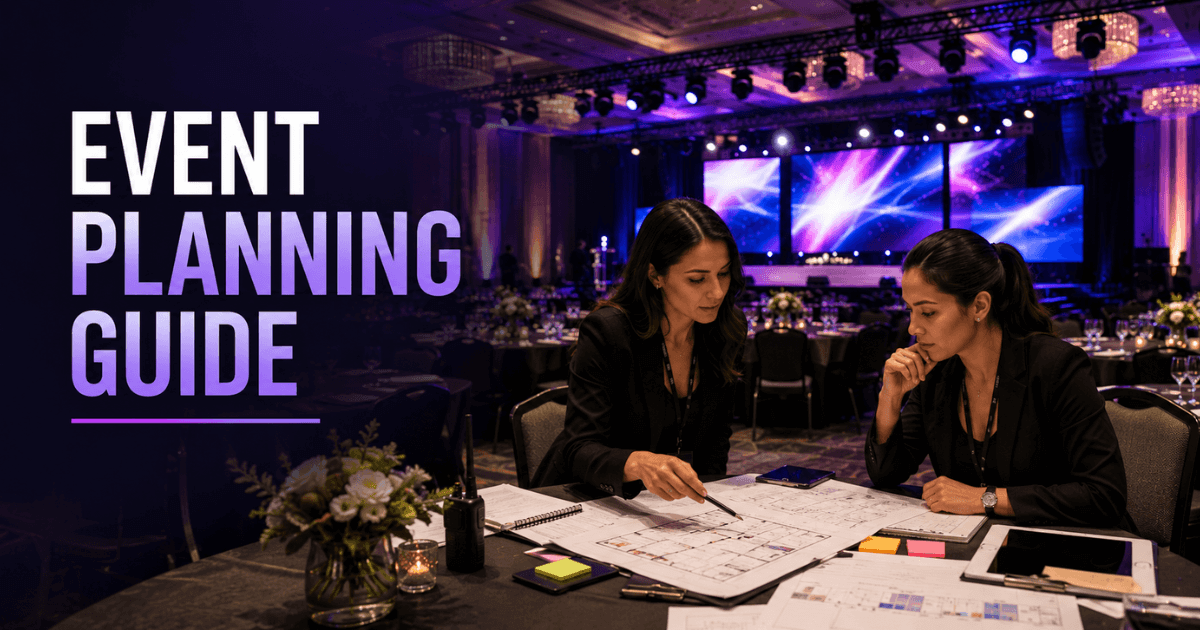
Planning a successful event involves much more than selecting a venue and sending invitations. Every conference, corporate meeting, trade show, gala, fundraiser, or product launch requires careful coordination, budgeting, technical planning, vendor management, and on-site execution. The earlier you begin planning, the more flexibility you’ll have to make informed decisions, control costs, and create a memorable experience for your attendees.
Whether you’re organizing a one-day seminar or a multi-day conference, having a structured planning process helps minimize risks while ensuring every detail works together seamlessly. From defining your event objectives to managing production schedules and post-event evaluation, every stage plays an important role in the overall success of your event.
At Summit Event Production, we’ve supported organizations across Toronto with everything from Conference Event Management and Corporate Event Planning to complete Summit Event Management and Conference & Summit Production. This guide walks you through every stage of the planning process to help you deliver a successful event from concept to completion.
Start With Clear Event Objectives
Every successful event begins with a clear purpose. Before choosing a venue or requesting quotations, identify what you want your event to achieve.
Your objectives may include:
- Educating attendees
- Launching a new product
- Building client relationships
- Generating leads
- Celebrating company achievements
- Raising funds
- Promoting your brand
- Delivering professional training
Defining measurable goals early helps guide every planning decision, from venue selection to production technology.
Identify Your Target Audience
Understanding who will attend your event influences nearly every planning decision.
Consider questions such as:
- Who are your attendees?
- How many guests are expected?
- Will international speakers participate?
- Will attendees join virtually?
- Do you require interpretation services?
- Are exhibitors involved?
- Will networking sessions be included?
Knowing your audience helps determine venue size, event schedule, catering, registration systems, seating arrangements, and audiovisual requirements.
Establish a Realistic Budget
Your budget should be developed before major decisions are made. Rather than focusing only on venue rental, consider every element required to deliver a professional event.
Typical budget categories include:
- Venue rental
- Audiovisual production
- Lighting
- Staging
- Registration
- Catering
- Staffing
- Entertainment
- Marketing
- Transportation
- Decorations
- Photography
- Video production
- Contingency funds
If you’re unsure how to allocate your production budget, our Event Production Cost Guide in Toronto and AV Budget Planning Guide provide detailed insights into planning production expenses.
Choose the Right Event Format
Not every event follows the same format. Choosing the right structure depends on your audience, objectives, and available resources.
Common event formats include:
- Conferences
- Summits
- Corporate Meetings
- Trade Shows
- Exhibitions
- Product Launches
- Gala Dinners
- Fundraising Events
- Hybrid Events
- Virtual Events
Each format requires different production planning and technical support. For example, a trade show has very different requirements than an executive leadership summit or a fundraising gala.
Select the Right Venue
Venue selection affects attendee experience, logistics, production planning, and budget.
When evaluating venues, consider:
- Capacity
- Accessibility
- Parking
- Public transportation
- Loading access
- Ceiling height
- Rigging options
- Power availability
- Internet connectivity
- Breakout rooms
- Registration space
- Catering options
Toronto offers excellent venues for conferences and corporate events, including Metro Toronto Convention Centre, Beanfield Centre, Toronto Congress Centre, and Sheraton Centre Toronto.
Choosing a venue that supports your technical requirements can reduce installation time and overall production costs.
Build Your Event Timeline
A detailed timeline keeps every stakeholder aligned throughout the planning process.
Your timeline should include:
- Venue booking
- Vendor confirmation
- Production planning
- Speaker confirmations
- Registration launch
- Marketing campaigns
- Equipment delivery
- Rehearsals
- Setup schedule
- Event day operations
- Teardown
Breaking large projects into smaller milestones makes planning more manageable while reducing the risk of missed deadlines.
Assemble the Right Event Team
Successful events rely on experienced professionals working together toward a common goal.
Your planning team may include:
- Event Manager
- Production Manager
- Technical Director
- Registration Team
- Marketing Team
- Venue Coordinator
- Speaker Manager
- Volunteer Coordinator
- Stage Manager
Depending on the event, professional Event Staffing Services can provide additional onsite support during setup, registration, presentations, and teardown.
Plan Your Event Production Early
Production planning should begin long before equipment arrives onsite. Early coordination helps identify technical requirements, optimize budgets, and prevent last-minute changes.
Production planning typically includes:
- Stage design
- Audio systems
- LED displays
- Lighting
- Video production
- Live streaming
- Registration technology
- Power distribution
- Internet requirements
- Technical rehearsals
Working with an experienced Conference & Summit Production team allows production planning to progress alongside overall event planning rather than becoming a last-minute task.
Develop a Comprehensive Event Production Plan
Once your event objectives, budget, and venue are confirmed, the next step is creating a detailed production plan. This document becomes the blueprint for every technical and operational aspect of your event.
A production plan typically includes:
- Event schedule
- Room layouts
- Stage design
- AV requirements
- Speaker schedule
- Registration flow
- Vendor timelines
- Load-in and load-out schedules
- Emergency procedures
- Technical contacts
Keeping all stakeholders aligned around one production plan helps reduce confusion and improves communication throughout the project.
Choose the Right Event Technology
Technology has become one of the most important parts of modern event planning. The right equipment improves audience engagement, enhances presentations, and creates a professional event experience.
Depending on your event, you may require:
- LED Video Walls
- Professional Audio Systems
- Stage Lighting
- Live Streaming
- Video Recording
- Registration Technology
- Interactive Displays
- Digital Signage
- Audience Engagement Systems
Large conferences often combine LED Wall Rental with Audio Reinforcement Services and Production Lighting Design to deliver a professional attendee experience.
For hybrid events, integrating Virtual & Hybrid Event Production ensures both in-person and remote participants receive the same high-quality experience.
Plan Registration & Guest Experience
Registration is often the first interaction attendees have with your event. A smooth check-in process creates a positive first impression while reducing congestion at the venue.
Consider including:
- Online registration
- QR code check-in
- Badge printing
- Self-service kiosks
- Digital welcome screens
- Wayfinding displays
- Meeting timers
- Audience engagement tools
Many organizers improve attendee flow by combining Registration & Check-in Solutions with Registration Kiosk Rental, Wayfinding Displays, and Audience Response Systems.
Coordinate Vendors Early
Most successful events involve multiple vendors working together. Coordinating everyone early reduces scheduling conflicts and improves communication.
Typical vendors include:
- Venue
- Catering
- Decor
- Entertainment
- Photography
- Videography
- Security
- Transportation
- AV Production
- Internet Provider
- Registration Provider
Assigning clear responsibilities and maintaining regular communication helps ensure every supplier understands the event schedule and expectations.
Prepare Speakers & Presenters
Even experienced presenters benefit from preparation.
Before event day, confirm:
- Presentation files
- Slide formats
- Laptop compatibility
- Wireless microphones
- Confidence monitors
- Teleprompters
- Stage positions
- Presentation timing
- Q&A procedures
For keynote sessions, many organizers include Teleprompter Rental and Video Production & IMAG Services to help presenters deliver polished presentations while improving audience visibility.
Don’t Skip Technical Rehearsals
A rehearsal allows every member of the production team to test equipment, review the schedule, and identify potential issues before attendees arrive.
During rehearsals, teams typically verify:
- Audio levels
- LED displays
- Presentation playback
- Lighting cues
- Camera positions
- Speaker transitions
- Internet connectivity
- Live streaming
- Backup systems
Investing a few hours in rehearsal often prevents costly delays on event day.
Prepare Backup Plans
Unexpected issues can happen even with careful planning. Building contingency plans into your event reduces risk and improves confidence.
Backup planning may include:
- Spare microphones
- Backup laptops
- Duplicate presentation files
- Secondary internet connection
- Extra lighting fixtures
- Additional extension cables
- Backup power
- Emergency contact lists
- Alternate speaker schedules
Being prepared allows your team to respond quickly without disrupting the attendee experience.
Communicate Clearly With Your Team
Strong communication keeps the event running smoothly from setup through teardown.
Share key information with everyone involved, including:
- Production schedule
- Contact list
- Floor plans
- Session timings
- Emergency procedures
- Vendor arrival times
- Equipment locations
- Staff responsibilities
Daily planning meetings during the final days before the event help ensure everyone remains aligned.
Manage Event Day Operations
On event day, focus shifts from planning to execution.
Production teams typically monitor:
- Registration
- Speaker arrivals
- Session timing
- AV performance
- Stage transitions
- Live streaming
- Audience engagement
- Vendor coordination
- Schedule changes
- Technical troubleshooting
Many organizations rely on Technical Direction & Show Calling to coordinate presenters, technicians, stage transitions, and production cues throughout the event, ensuring everything runs according to schedule.
Measure Event Success
Planning doesn’t end when the final presentation is over. Evaluating your event helps identify what worked well, what could be improved, and how future events can be even more successful.
After the event, review:
- Attendance numbers
- Registration data
- Audience feedback
- Speaker feedback
- Sponsor satisfaction
- Session engagement
- Livestream performance
- Budget performance
- Technical issues
- Team feedback
Collecting this information helps improve future planning while providing valuable insights for stakeholders.
Common Event Planning Mistakes to Avoid
Even well-planned events can encounter challenges if important details are overlooked. Being aware of common mistakes helps reduce risk and improve the overall attendee experience.
Starting the Planning Process Too Late
Late planning limits venue availability, reduces equipment options, and often leads to higher costs. Starting early provides more flexibility and allows time for proper coordination.
Choosing a Venue Before Understanding Technical Requirements
Many organizers book a venue based on appearance or location without considering production needs.
Before confirming a venue, evaluate:
- Ceiling height
- Rigging options
- Power availability
- Loading access
- Internet connectivity
- Space for registration
- Breakout rooms
- Stage visibility
Our How to Choose the Right Event Venue guide explains what to evaluate before making a final decision.
Underestimating AV Requirements
Poor sound, dim lighting, or inadequate display technology can negatively affect the attendee experience.
Planning your production early allows you to determine exactly what equipment is needed without overspending. Our Event Technology & Equipment Explained guide provides a detailed overview of the technology commonly used at modern events.
Ignoring Contingency Planning
Weather delays, technical issues, presenter changes, or schedule adjustments can happen unexpectedly.
Preparing backup equipment, contingency budgets, and alternative plans helps minimize disruption when unexpected situations arise.
Trying to Manage Too Many Vendors
Working with multiple independent suppliers can increase communication challenges and create unnecessary complexity.
Many organizations prefer a single production partner who can coordinate planning, technical production, equipment, staffing, and onsite operations under one project team.
Event Planning Checklist
Before event day, confirm the following:
Planning
- Event objectives finalized
- Budget approved
- Timeline completed
- Vendors confirmed
- Speakers confirmed
Venue
- Venue booked
- Floor plans approved
- Loading schedule confirmed
- Internet requirements verified
- Power requirements reviewed
Production
- Audio system confirmed
- LED displays confirmed
- Lighting plan approved
- Stage design finalized
- Camera requirements confirmed
- Live streaming tested
- Registration technology prepared
Operations
- Staff schedules completed
- Speaker presentations collected
- Rehearsals completed
- Emergency contacts distributed
- Backup equipment prepared
Completing this checklist before event day significantly reduces last-minute issues.
Why Professional Event Planning Matters
Every successful event is the result of hundreds of coordinated decisions made long before attendees arrive.
Professional event planning helps:
- Reduce project risk
- Improve communication
- Control budgets
- Simplify logistics
- Enhance attendee experience
- Deliver reliable technical execution
- Keep projects on schedule
Whether you’re planning a conference, trade show, gala, fundraiser, or product launch, investing time in structured planning creates a stronger foundation for every aspect of the event.
Frequently Asked Questions
When should I start planning an event?
Large conferences and trade shows are typically planned six to twelve months in advance, while smaller corporate meetings and private events may require only a few months. Starting early provides greater flexibility when booking venues, securing vendors, and coordinating production.
What should I budget for when planning an event?
Your budget should include venue rental, production, audiovisual equipment, lighting, staging, registration, staffing, catering, marketing, transportation, entertainment, and contingency funds. Our Event Production Cost Guide in Toronto and AV Budget Planning Guide provide more detailed budgeting guidance.
How do I choose the right event production company?
Look for a company with experience managing events similar to yours, professional equipment, experienced technical staff, transparent pricing, and comprehensive planning support. Our How to Choose the Right Event Production Company guide explains what to consider before making your decision.
What technology is commonly used at modern events?
Most events use professional audio systems, LED video walls, stage lighting, presentation technology, registration systems, live streaming, digital signage, and interactive displays. The right combination depends on your event objectives and audience size.
Should I rent or buy event equipment?
For most organizations, renting is the more practical option because it includes professional installation, technical support, transportation, and access to the latest equipment without long-term ownership costs.
Do I need technical rehearsals?
Yes. Rehearsals allow speakers, production teams, and venue staff to test equipment, review schedules, and resolve potential issues before attendees arrive.
Final Thoughts
Successful events don’t happen by chance—they are the result of careful planning, experienced coordination, and thoughtful decision-making. From setting clear objectives and selecting the right venue to budgeting, production planning, and post-event evaluation, every stage contributes to the overall experience.
Whether you’re organizing a corporate meeting, conference, trade show, gala, or product launch, taking a structured approach helps reduce stress while improving outcomes for organizers, sponsors, speakers, and attendees.
As you continue planning, you may also find our Event Equipment Rental Guide useful for selecting the right equipment, our Event Production Checklist for staying organized, and our LED Video Wall vs Projector comparison if you’re deciding on the best display solution for your event. These resources are designed to help you make informed decisions throughout every stage of the planning process.