

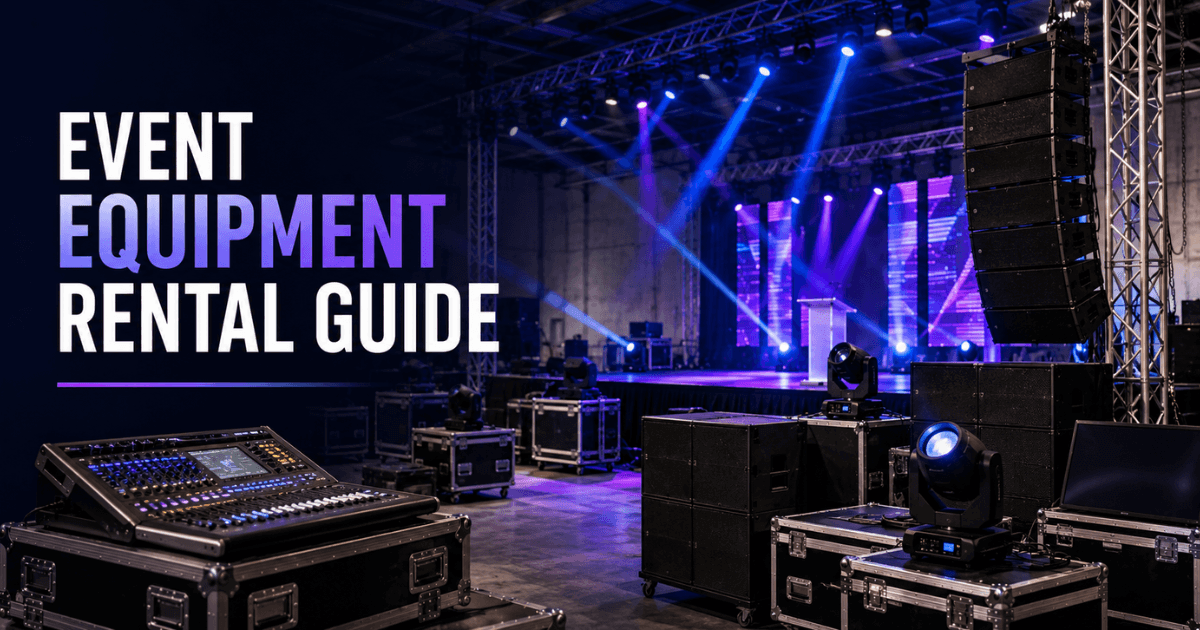
Choosing the right event equipment is one of the most important decisions you’ll make during the planning process. The equipment you select directly impacts how your audience experiences presentations, entertainment, networking, and overall event quality. Even a well-planned event can fall short if the audiovisual systems, staging, lighting, or display technology aren’t suited to the venue or audience.
Many organizers assume that renting more equipment automatically creates a better event. In reality, successful event production is about choosing the right equipment for your specific event—not simply the largest LED screen or the most powerful sound system.
Whether you’re planning a conference, corporate meeting, trade show, gala dinner, fundraiser, product launch, or outdoor event, understanding what equipment you actually need helps you control costs while delivering a professional experience.
At Summit Event Production, we provide complete production support throughout Toronto, including Conference Event Management, Conference & Summit Production, professional LED Wall Rental, and a full range of event equipment rentals. This guide explains the most commonly rented equipment, when it’s needed, and how to select the right solution for your event.
Why Renting Event Equipment Makes Sense
For most organizations, renting equipment is more practical than purchasing it. Events often require specialized equipment that may only be used once or twice a year, making ownership expensive and difficult to maintain.
Renting allows you to:
- Access the latest event technology
- Avoid maintenance costs
- Eliminate storage requirements
- Reduce transportation challenges
- Receive professional setup and teardown
- Benefit from onsite technical support
- Scale equipment based on each event
Instead of investing in equipment that may become outdated, renting provides flexibility while ensuring your event uses professional-grade production technology.
Start by Understanding Your Event Requirements
Before selecting equipment, ask yourself a few key questions.
- What type of event are you organizing?
- How many guests are expected?
- Is the event indoors or outdoors?
- Will presentations be delivered?
- Do remote attendees need to join?
- Are multiple breakout rooms required?
- Will entertainment or performances take place?
- Does the venue already include basic AV equipment?
The answers help determine which equipment is necessary and which items may not be required.
Essential Event Equipment Categories
Most professional events require equipment from several different categories. Understanding each category makes it easier to build a production plan that fits both your venue and your budget.
LED Video Walls
LED video walls have become the preferred display solution for conferences, trade shows, product launches, and corporate events because they offer bright, seamless visuals that remain visible even in well-lit environments.
LED walls are commonly used for:
- Keynote presentations
- Sponsor branding
- Live camera feeds
- Product launches
- Stage backdrops
- Corporate branding
- Presentation content
Choosing the correct screen size depends on viewing distance, room dimensions, and audience size rather than simply selecting the largest display available.
If you’re unsure whether an LED wall is the right choice, our LED Video Wall vs Projector comparison explains the advantages of each option.
Audio Systems
Excellent visuals mean little if attendees cannot clearly hear the presenter.
Professional audio systems typically include:
- Line array speakers
- Wireless microphones
- Handheld microphones
- Headset microphones
- Podium microphones
- Digital mixing consoles
- Stage monitors
Larger venues often require professionally designed Audio Reinforcement Services to ensure consistent sound coverage throughout the room.
Stage Lighting
Lighting does much more than illuminate the stage. It directs audience attention, enhances video production, and reinforces your event branding.
Typical lighting rentals include:
- Stage lighting
- Speaker lighting
- Uplighting
- Moving lights
- Spotlights
- Architectural lighting
- Audience lighting
Many organizations combine equipment rental with professional Production Lighting Design to create a polished and engaging atmosphere.
Staging & Truss Systems
The stage becomes the focal point of your event, making its design just as important as the technology surrounding it.
Equipment often includes:
- Modular stages
- Podiums
- Stage skirting
- Truss systems
- Custom backdrops
- Scenic elements
- Safety barriers
Professional Scenic Design & Custom Staging ensures the stage complements both your branding and venue layout.
Video Production Equipment
Many modern events require more than a projector and presentation screen. Recording sessions, displaying live camera feeds, and streaming presentations have become standard expectations.
Video production equipment may include:
- Broadcast cameras
- PTZ cameras
- Camera tripods
- Video switchers
- Recording systems
- Confidence monitors
- Playback computers
For larger conferences, Video Production & IMAG Services improve visibility by displaying speakers on large LED screens throughout the venue.
Registration & Interactive Technology
Technology begins working long before attendees enter the main event space.
Registration equipment may include:
- Registration kiosks
- Badge printers
- QR code scanners
- Touch screen displays
- Meeting timers
- Digital signage
- Audience response systems
Many organizers improve attendee flow by combining Registration & Check-in Solutions with Touch Screen Kiosks, Audience Response Systems, and LED Poster Displays.
Outdoor Event Equipment
Outdoor events require additional planning because production must account for weather, power availability, and site conditions.
Depending on the event, you may need:
- Generator Rental
- Tent Rental
- LED Trailer Rental
- Weather-resistant audio systems
- Outdoor lighting
- Cable protection
- Wind-rated staging
For festivals, community events, and experiential activations, integrating these rentals with Outdoor & Experiential Events planning helps ensure safe and reliable event operations.
How to Choose the Right Equipment for Your Event
Selecting event equipment isn’t about renting everything available—it’s about choosing equipment that supports your event objectives, venue, and audience. The right combination creates a professional experience while avoiding unnecessary expenses.
Below are the most important factors to consider before confirming your equipment list.
Consider Your Audience Size
One of the biggest mistakes event organizers make is selecting equipment without considering audience size.
Small Events (20–100 Guests)
Typical equipment includes:
- Professional audio system
- Presentation display
- Wireless microphones
- Basic stage lighting
- Podium
This setup is ideal for executive meetings, training sessions, and board meetings.
Medium Events (100–500 Guests)
As attendance grows, additional equipment is usually required.
Typical setup:
- LED video wall
- Professional audio system
- Stage lighting
- Presentation monitors
- Registration kiosks
- Camera recording
This configuration works well for conferences, corporate meetings, and association events.
Large Events (500–2,000+ Guests)
Large audiences require more comprehensive production.
Typical equipment includes:
- Multiple LED video walls
- Line array audio systems
- IMAG cameras
- Broadcast video production
- Advanced lighting
- Truss structures
- Registration technology
- Digital signage
- Technical crew
Large-scale events benefit from integrated Conference & Summit Production and Technical Direction & Show Calling to coordinate every production element.
Match Equipment to Your Venue
The venue often determines what equipment is practical.
Consider:
- Ceiling height
- Room dimensions
- Ambient lighting
- Stage size
- Viewing distance
- Existing AV systems
- Loading access
- Power availability
- Internet connectivity
For example, a ballroom may require different display solutions than an exhibition hall or an outdoor venue.
Our venue-specific production guides for Metro Toronto Convention Centre, Beanfield Centre, and Fairmont Royal York explain how venue layouts influence production planning.
Choose Equipment Based on Event Type
Different events require different production priorities.
Conferences
Typical equipment:
- LED video wall
- Audio system
- Presentation displays
- Confidence monitors
- Live streaming
- Registration kiosks
Trade Shows
Common rentals include:
- Booth displays
- LED posters
- Touch screen kiosks
- Digital signage
- Wayfinding displays
- Audio systems
Many exhibition organizers combine equipment rental with Trade Show Booth Building for a complete exhibition solution.
Product Launches
Focus on:
- LED walls
- Lighting
- Video production
- Custom staging
- Live streaming
- Interactive displays
Gala Dinners
Often require:
- Elegant lighting
- Stage
- Teleprompter
- Audio system
- Camera production
- LED backdrop
Outdoor Events
Outdoor productions generally require additional equipment such as:
- Mobile LED trailer
- Generator
- Tent
- Outdoor sound
- Weather protection
- Truss
Many organizers choose LED Trailer Rental because it combines a high-brightness display with a self-contained mobile structure, making setup faster than traditional installations.
Don’t Forget Power Requirements
Power is one of the most overlooked parts of event planning.
Before renting equipment, confirm:
- Available electrical supply
- Generator requirements
- Cable routing
- Backup power
- Distribution panels
Outdoor productions especially should include contingency planning for reliable power throughout the event.
Internet Requirements
Many events now depend on reliable internet.
Examples include:
- Live streaming
- Registration
- Virtual speakers
- Audience interaction
- Cloud presentations
- Video conferencing
Always verify internet capacity before confirming production equipment.
Consider Accessibility
Good production planning improves accessibility for every attendee.
Equipment may include:
- Assisted listening systems
- Large presentation displays
- Live captions
- Interpretation systems
- Clear wayfinding
- Accessible registration counters
For multilingual conferences, many organizations include Simultaneous Interpretation Services together with Simultaneous Interpretation Equipment to support attendees speaking different languages.
Rent Equipment as a Complete System
Instead of renting individual items separately, think of your production as one integrated system.
For example:
- LED wall
- Audio system
- Lighting
- Stage
- Cameras
- Registration
- Technical crew
All of these components need to work together seamlessly. Coordinating them through one production partner often improves reliability while simplifying communication and logistics.
Questions to Ask Before Renting Equipment
Before confirming your rental order, ask:
- Is delivery included?
- Is setup included?
- Is teardown included?
- Are technicians included?
- Is backup equipment available?
- What happens if equipment fails?
- Are transportation costs included?
- Can additional equipment be added later?
- Is equipment insured?
- Who provides technical support during the event?
Knowing the answers helps you compare rental providers based on overall value rather than price alone.
Common Equipment Rental Mistakes
Avoid these common mistakes:
- Renting equipment that’s too small for the audience
- Choosing technology based only on price
- Ignoring venue requirements
- Forgetting backup equipment
- Booking at the last minute
- Underestimating power requirements
- Skipping technical rehearsals
- Hiring multiple suppliers without coordination
Most of these issues can be avoided through early planning and clear communication.
Equipment Recommendations by Event Type
Choosing equipment based on your event type helps you avoid unnecessary costs while ensuring attendees have a great experience. Below are common equipment recommendations for different events.
Corporate Meetings
Recommended equipment:
- Professional audio system
- Presentation display
- Wireless microphones
- Podium
- Basic stage lighting
These meetings usually focus on presentations and discussions rather than large-scale production.
Conferences & Summits
Recommended equipment:
- LED video wall
- Professional audio system
- Stage lighting
- Confidence monitors
- IMAG cameras
- Registration kiosks
- Live streaming
- Meeting timers
Many organizations combine Conference Event Management with Conference & Summit Production to ensure every technical and operational detail is coordinated.
Trade Shows & Exhibitions
Recommended equipment:
- LED poster displays
- Touch screen kiosks
- Booth AV systems
- Digital signage
- Wayfinding displays
- Professional lighting
- Registration systems
Exhibitors often pair equipment rentals with Trade Show Booth Building and Trade Show Production to create engaging exhibition spaces.
Product Launches
Recommended equipment:
- Large LED video wall
- Intelligent lighting
- Professional sound
- Custom staging
- Video production
- Live streaming
- Interactive displays
The emphasis is on creating a memorable visual experience that highlights the product and engages attendees.
Gala Dinners & Award Ceremonies
Recommended equipment:
- Elegant stage
- LED backdrop
- Professional audio
- Production lighting
- Teleprompter
- Camera production
- Presentation monitors
Professional lighting and stage design help create a premium atmosphere while ensuring presenters remain clearly visible.
Outdoor Events
Recommended equipment:
- Mobile LED trailer
- Generator
- Outdoor sound system
- Tent structures
- Truss systems
- Weather-resistant lighting
Outdoor productions often require Generator Rental, Tent Rental, and Outdoor & Experiential Events planning to accommodate changing weather conditions and site logistics.
Why Work With One Equipment Rental Partner?
Managing separate suppliers for LED displays, audio, lighting, staging, registration technology, and technical support can quickly become difficult.
Working with one rental partner offers several advantages:
- One point of contact
- Coordinated delivery schedules
- Compatible equipment
- Faster setup and teardown
- Experienced technical crew
- Simplified project management
- Consistent support throughout the event
A single production partner also makes it easier to adapt if event requirements change before or during the event.
Equipment Rental Planning Checklist
Before confirming your equipment order, review the following checklist:
Event Requirements
- Event type confirmed
- Guest count finalized
- Venue confirmed
- Event schedule completed
- Floor plan approved
AV Equipment
- Audio system selected
- LED display confirmed
- Lighting plan approved
- Stage requirements finalized
- Video production requirements confirmed
Registration Technology
- Registration counters
- Badge printing
- Registration kiosks
- QR code check-in
- Wayfinding displays
Technical Requirements
- Internet confirmed
- Power requirements reviewed
- Generator requirements identified
- Cable routing planned
- Technical crew assigned
Logistics
- Delivery schedule confirmed
- Installation schedule approved
- Rehearsal scheduled
- Equipment testing completed
- Teardown schedule confirmed
Completing this checklist before event day reduces the likelihood of delays and technical issues.
Frequently Asked Questions
How do I know what equipment my event needs?
Your equipment requirements depend on the event type, venue, audience size, presentation format, and technical objectives. A production consultation can help identify the right combination of audio, video, lighting, staging, and registration technology.
Is renting equipment more affordable than buying?
For most organizations, yes. Renting eliminates maintenance, storage, transportation, and depreciation costs while providing access to the latest professional equipment.
Can I rent individual equipment instead of a complete production package?
Yes. Many organizers rent individual items such as LED walls, lighting, audio systems, or registration kiosks, while others choose a complete production solution that includes planning, installation, technical support, and equipment management.
How early should I reserve event equipment?
Booking several months in advance is recommended, especially during busy conference and event seasons. Early reservations provide better equipment availability and greater planning flexibility.
Do equipment rentals include setup and technical support?
Many professional rental providers offer delivery, installation, testing, onsite technical support, and teardown. Always confirm what services are included in your quotation before booking.
What equipment is essential for most corporate events?
Most corporate events require a professional audio system, presentation displays or LED video walls, stage lighting, wireless microphones, and reliable presentation technology. Larger events may also include live streaming, registration systems, and video production.
Final Thoughts
Choosing the right event equipment is about selecting technology that supports your event goals rather than renting every available product. By considering your audience size, venue, event format, and technical requirements early in the planning process, you can build a production setup that delivers a professional experience while staying within budget.
Whether you’re planning a conference, trade show, gala dinner, product launch, or outdoor event, working with an experienced production partner helps simplify equipment selection, logistics, and technical coordination. For more planning resources, explore our Complete Event Planning Guide, learn how to estimate production expenses in the Event Production Cost Guide in Toronto, compare display options in LED Video Wall vs Projector, or discover how to evaluate production partners with our How to Choose the Right Event Production Company. These resources will help you make informed decisions throughout every stage of your event planning process.